
What is structured cabling?
Structured cabling is a standards-based infrastructure that organizes and connects network cabling within buildings, across campuses, and inside data centers. It integrates multiple systems—data, voice, video, Wi‑Fi, and security—into a unified platform. Rather than deploying separate cabling for each system, it uses a layered, modular design that improves performance, simplifies management, and supports long-term scalability. Across enterprise environments—from offices and healthcare facilities to large campuses and mission-critical data centers—it serves as the foundation of digital operations.
Why it matters across environments
Modern buildings, campuses, and data centers depend on constant, high-performance connectivity. Structured cabling ensures reliable operation of everything from cloud applications to IoT devices and high-density computing environments. It reduces downtime, minimizes signal interference, and streamlines troubleshooting through an organized architecture. By enabling converged networks, it brings IT, security, AV, and building systems onto a single infrastructure. Designed for growth, it supports increasing bandwidth demands and higher speeds without requiring a complete redesign.
How it works
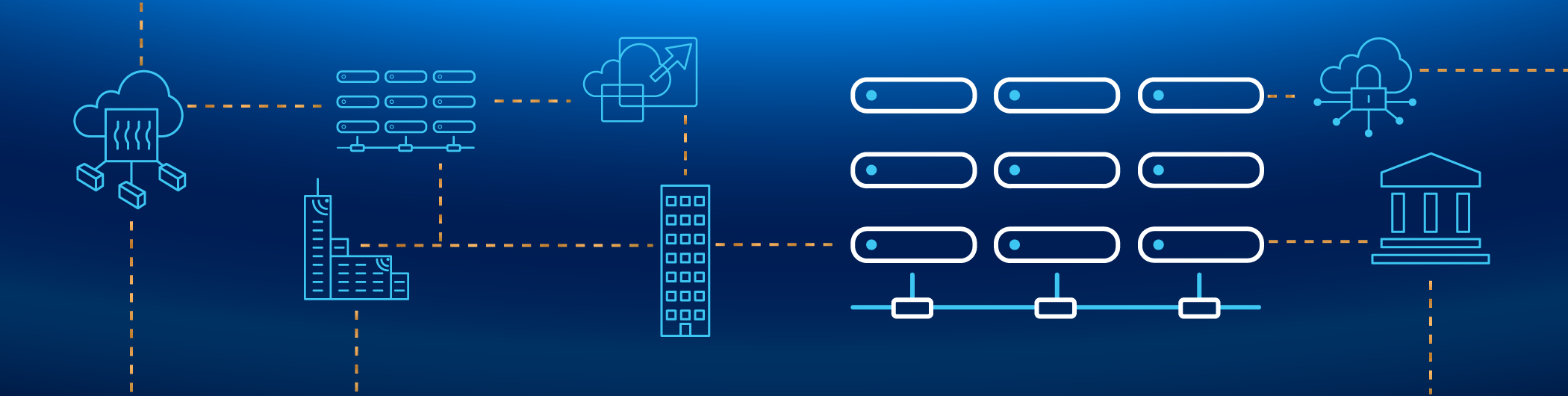
Structured cabling follows global standards (such as TIA/EIA and ISO/IEC) and is built in defined layers. External connectivity enters through the entrance facility, linking service providers to internal networks. Core systems are housed in equipment rooms or data halls, where switches, routers, and servers reside. High-capacity backbone cabling—typically fiber—connects floors, buildings, and data center zones, while telecommunications rooms distribute connections to endpoints through horizontal cabling. This structured approach ensures consistent performance, scalability, and efficiency across distributed environments.
Foundation for scalable and high-performance infrastructure
By combining fiber for high-speed, long-distance connectivity and copper for cost-effective endpoint access, structured cabling supports the diverse needs of buildings, campuses, and data centers alike. It enables technologies such as Wi‑Fi 6/7, IoT systems, security platforms, and high-density computing. The result is a flexible, future-ready foundation that seamlessly integrates internal systems with external services, delivering reliable, high-performance connectivity at every layer of the network.
Products
-
Download
Brochure: Power over Ethernet FAQ
Listing of Frequently asked questions around Power Over Ethernet.
