
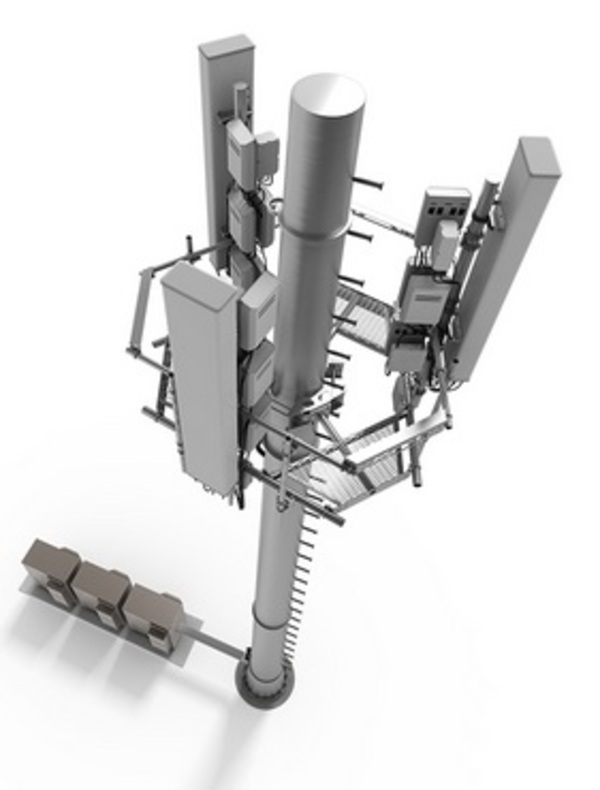
Given that mix of art and science, it’s probably no surprise to you that all antennas are not equal. Low quality antennas waste energy. How? Think of a light bulb. New bulbs, like LEDs, not only utilize less electricity, but they convert a higher percentage of that electricity to light compared to the incandescent bulb of my youth.
In the same way, antennas with low quality components or designs don’t take the energy from the radio and radiate it well into space. In addition, poorly installed antennas can create sources for interference (called passive intermodulation or PIM) that can deteriorate even the best signals. Add to this that each cell site must provide optimized coverage for that particular location, and it becomes easier to see how an antenna is a key contributor to just how many bars show up on a phone.
Depending on what needs to be accomplished at the cellular site, here are some points to consider when selecting antennas:
- Macro sites remain the workhorses of the wireless industry. Whether on a 150 foot cell tower, the sides of a water tower or on top of a roof, these antennas need to provide both coverage and capacity. High quality antennas that provide six or more ports per antenna, deliver exceptional radiation patterns at both the horizontal and vertical beamwidth, minimize width and weight, support remote electrical tilt and are designed to minimize noise are paramount to optimal performance, especially in 4G LTE, the fastest and fastest growing cellular technology in use today.
- Metro sites are about increasing capacity in smaller, focused areas. With most of these being deployed in the suburbs, city centers and high pedestrian locations, size and aesthetics are big issues… can you say, “tough zoning?” But don’t let the small size fool you; these too must perform just as well as their big brother macro sites.
- Special events and venues sites are like metro sites in that they are about adding capacity, but taken to the next level. To accomplish this, an antenna must provide multiple beams ranging from two, three, five, nine… or even 18. Some of these sites are permanent – think Super Bowl or World Cup stadiums, where users tweet, post to Instagram or Facebook, upload videos or just text their BFFs by the thousands. Some of these sites are portable (called Cell on Wheels [COWs], Cell on Light Trucks [COLTs] or deployables) for temporary events like an outdoor music event or for emergency services after a terrible storm. Regardless, the performance on each beam must be rock solid to deliver reliable service and maximum capacity whenever and wherever it is needed.
Any questions? Leave me a comment, and I’ll happily reply.


